Ever wondered how industries shape heavy materials with such precision? A hydraulic press machine makes it all possible. By harnessing hydraulic power, it delivers immense force for tasks like metal forming, stamping, and molding. In this article, we'll dive into what hydraulic press machines are, how they work, and their wide applications. You’ll also discover the benefits, key components, and safety considerations, along with insights from trusted manufacturers like SHANDONG FIN CNC MACHINE CO., LTD..
Understanding Hydraulic Press Machines
What is a Hydraulic Press Machine?
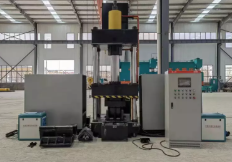
A hydraulic press machine operates using hydraulic force, a powerful mechanism that allows for the compression, molding, and shaping of various materials with high precision. The core functionality of the hydraulic press lies in its use of hydraulic fluid, pistons, and cylinders. These machines work by applying force through pressurized fluid, which is controlled and monitored to ensure accuracy. Hydraulic presses can generate a significant amount of force, making them suitable for a wide variety of applications.
A hydraulic press works by using a small piston and a large piston connected by hydraulic fluid. When the small piston is activated, the fluid transfers force to the larger piston, amplifying the force that is applied to the material being processed. This system allows manufacturers to work with metals, plastics, and other materials to create precise shapes, molds, and parts.
How Does a Hydraulic Press Work?
At the heart of the hydraulic press is Pascal's Law, which states that pressure applied to an enclosed fluid is transmitted equally and undiminished in all directions. The machine’s system contains two pistons: one small piston and one larger piston. When pressure is applied to the smaller piston, the hydraulic fluid transmits the force to the larger piston, amplifying the initial force and creating enough pressure to deform materials.
This method of force application is highly efficient as it allows manufacturers to produce components with accuracy and uniformity. The press’s flexibility in controlling force makes it ideal for different materials and various tasks, ranging from deep drawing and metal forming to precision molding and pressing.
Types of Hydraulic Press Machines
There are different types of hydraulic press machines designed to cater to specific needs in various industries. Some of the most common types include:
Hydraulic Press Type | Applications | Common Industries |
C-Frame Hydraulic Press | Small-scale pressing, assembly | Electronics, Appliances |
H-Frame Hydraulic Press | Heavy-duty metal forming, stamping | Automotive, Aerospace |
Four-Post Hydraulic Press | High-precision molding and forming | Aerospace, Automotive |
● C-Frame Hydraulic Press: This compact press is often used for small-scale tasks and assembly operations. Its open-frame design provides accessibility for operators and is suitable for lighter loads.
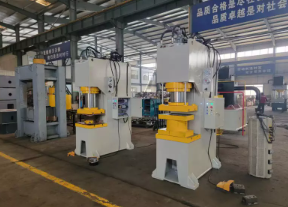
● H-Frame Hydraulic Press: Known for its robust design, the H-frame hydraulic press is used in heavy-duty applications, such as large-scale metal forming and automotive manufacturing. Its frame provides stability for high-force operations.
● Four-Post Hydraulic Press: These presses are used for high-precision tasks, especially for applications involving molds and dies. They offer a greater range of force control and are ideal for use in industries like automotive, aerospace, and electronics.
The choice of a hydraulic press machine depends largely on the scale of the task, the material being worked with, and the required level of precision.
Applications of Hydraulic Press Machines
Uses in Metal Forming and Shaping
Hydraulic press machines are commonly used in metal forming processes such as forging, stamping, and molding. In metalworking, hydraulic presses can generate immense force, making them ideal for shaping metals and creating components that are used in high-demand industries like automotive, aerospace, and construction. These machines enable manufacturers to produce parts like engine components, car body panels, and chassis with high precision and repeatability.
A notable application of the hydraulic press is in metal stamping, where large sheets of metal are shaped into components under intense pressure. The hydraulic press provides the necessary force to produce intricate designs on metal parts, ensuring that they meet strict tolerances.
Hydraulic Press in the Automotive Industry
In the automotive sector, hydraulic presses play an essential role in shaping and pressing various components used in vehicle assembly. Whether it is for forming body panels, engine parts, or chassis components, hydraulic presses offer high force and accuracy to ensure the parts fit seamlessly during the assembly process.
The high capacity of hydraulic presses enables the creation of large, complex components for the automotive industry. In addition, hydraulic presses are used for metal forming, casting, and stamping tasks to produce high-quality components with uniformity and precision.
Other Industries Benefiting from Hydraulic Presses
Apart from metalworking and automotive manufacturing, hydraulic press machines are also employed in industries such as:
Industry | Applications | Hydraulic Press Benefits |
Plastic Molding | Molding plastic components (e.g., car bumpers, consumer electronics) | Precision and uniformity in production |
Rubber Manufacturing | Forming tires, seals, and gaskets | High-force application for shaping and precision |
Food Processing | Pressing oil and juice, molding food items | Consistency in extraction and molding |
● Plastic Molding: Hydraulic presses can mold plastic parts used in consumer electronics, medical devices, and automotive interiors.
● Rubber Manufacturing: These presses are used to form and shape rubber components like seals, gaskets, and tires.
● Food Processing: Hydraulic presses are involved in juice extraction, oil pressing, and molding food products, where precision and high force are needed.
Advantages of Using a Hydraulic Press Machine
High Force Capacity and Precision
One of the most significant benefits of hydraulic press machines is their ability to generate high force while maintaining precision. Unlike mechanical presses, which exert peak force at a single point, hydraulic presses can apply adjustable force throughout the entire stroke, offering flexibility and accuracy. This makes them suitable for a variety of tasks such as deep drawing, forming thick plates, and precision straightening.
The adjustable force allows manufacturers to work with various materials and thicknesses, ensuring uniformity in the final product. The programmable dwell times and anti-rebound logic also ensure that the pressing operation is smooth and efficient, making hydraulic presses ideal for tasks that require fine control over force application.
Flexibility and Versatility
Hydraulic presses are versatile machines, making them suitable for a wide range of applications across different industries. Whether you're working with metal, plastic, or rubber, a hydraulic press can be adjusted to suit the material and the required task. The servo-hydraulic control systems and intelligent force monitoring enable smoother operations, reducing the potential for defects such as springback and improving the consistency of the finished product.
For example, hydraulic press machines can be paired with other equipment like a plate straightening machine or painting chamber to streamline production workflows, allowing parts to flow seamlessly from one stage to the next.
Energy Efficiency
Compared to mechanical presses, hydraulic presses are more energy-efficient. The system’s hydraulic fluid does not require as much mechanical power, leading to lower energy consumption during operation. This results in long-term cost savings, as well as reduced wear and tear on the machine's components. Hydraulic presses are capable of handling tasks that would otherwise require significant energy with mechanical systems, providing manufacturers with a more sustainable solution.
Key Components of a Hydraulic Press Machine
Hydraulic Cylinder and Pump
The hydraulic cylinder and pump are the two main components responsible for creating the force in a hydraulic press machine. The pump forces hydraulic fluid into the cylinder, causing the piston to move. The movement of the piston generates the force that is applied to the material. These components are carefully engineered to provide the high power required for heavy-duty applications.
Control Valve and Pressure Gauge
The control valve is responsible for regulating the flow of hydraulic fluid to the piston, which allows the operator to adjust the pressure and stroke length. This flexibility is essential for tasks that require different levels of force. The pressure gauge is crucial for ensuring that the hydraulic system operates within safe limits, preventing damage to the machine and ensuring consistent results.
Press Tooling and Dies
In addition to the hydraulic components, press tooling and dies are crucial for shaping and forming materials. Dies are typically made from hardened steel and are used to mold materials into the desired shape. The tooling used in hydraulic presses must be designed for durability, as they withstand extreme pressures during every cycle.
Safety Considerations for Using a Hydraulic Press Machine
Common Hazards and Risks
While hydraulic press machines are highly effective, they come with certain risks. Some common hazards include:
● Machine malfunctions: Issues with seals, pumps, or valves can lead to a loss of pressure, causing the press to malfunction.
● Operator errors: Improper operation, lack of training, or failure to follow safety protocols can lead to accidents, such as injuries or damage to parts.
● Material defects: Faulty or defective materials can cause jams, misalignments, or breakage during the pressing process.
Best Safety Practices
To minimize these risks, manufacturers should implement several safety practices:
● Lock-out/tag-out procedures: Ensure that the press is turned off and locked out during maintenance to prevent accidental activation.
● Regular maintenance: Scheduled inspections and maintenance can help detect and address any issues before they lead to failure.
● Safety training: Proper operator training ensures that workers understand how to safely operate the press and handle any emergencies.
Certifications and Standards
Hydraulic presses must meet specific industry safety standards such as ISO 9001 and OSHA regulations. These certifications ensure that the machine is safe to operate and that manufacturers adhere to industry best practices for safety.
Hydraulic Press Maintenance and Troubleshooting
Routine Maintenance Tips
Routine maintenance of hydraulic presses ensures longevity and reliable performance. Regular checks on hydraulic fluid levels, piston seals, and filter systems prevent damage and extend the life of the press. Proper cleaning and lubrication are also crucial for minimizing wear on moving parts.
Troubleshooting Common Issues
Common issues with hydraulic presses, such as pressure loss, oil leakage, or inconsistent force application, can be diagnosed through regular inspections. Operators should be familiar with the hydraulic system’s components and know how to address minor issues to avoid major breakdowns.
Extending the Lifespan of a Hydraulic Press Machine
To ensure that your hydraulic press machine lasts longer, it's essential to follow the manufacturer's recommended operating procedures. This includes using the correct hydraulic fluid, performing regular maintenance, and storing the press in a clean, dry environment.
Conclusion
Hydraulic press machines are vital to many industries, from metalworking and automotive manufacturing to plastic molding and food processing. Their ability to apply controlled force with precision makes them indispensable in producing high-quality components. Whether you're manufacturing parts for the automotive industry, pressing plastic components, or forming metal parts, a hydraulic press offers the flexibility, power, and efficiency you need to maintain high production standards.
For those interested in investing in a hydraulic press machine, choosing a reliable hydraulic press machine manufacturer like SHANDONG FIN CNC MACHINE CO., LTD. is critical. With expert guidance, you can ensure that the press is tailored to meet your specific production requirements, helping you achieve optimal results and maintain consistent quality across your operations.
FAQ
Q: What is a hydraulic press machine?
A: A hydraulic press machine uses hydraulic force to compress, mold, or shape materials. It applies a high level of pressure through hydraulic fluid, enabling precision and power for tasks like metal forming, stamping, and molding.
Q: How does a hydraulic press machine work?
A: A hydraulic press machine operates by using hydraulic fluid to transfer pressure from a small piston to a larger one, amplifying force. This system allows the machine to generate high levels of pressure, ideal for various pressing applications.
Q: Why should I choose a hydraulic press machine?
A: A hydraulic press machine provides flexibility in force application, offering adjustable pressure throughout the stroke. This feature makes it suitable for tasks like deep drawing, forming thick materials, and precision straightening, ensuring high-quality results.
Q: How much does a hydraulic press machine cost?
A: The cost of a hydraulic press machine depends on its size, force capacity, and the hydraulic press machine manufacturer. Prices can range from a few thousand dollars for smaller models to tens of thousands for high-capacity machines.
Q: What industries use hydraulic press machines?
A: Hydraulic press machines are used in various industries such as automotive, aerospace, plastic molding, and food processing. They are essential for tasks like forming metal parts, molding plastics, and pressing rubber components.


