Have you ever wondered which machine is best for your manufacturing needs? With so many options available, it can be difficult to choose between milling machines, drill presses, and lathes. In this article, we’ll break down their unique features, functions, and advantages to help you make the right decision. Whether you’re crafting intricate parts or tackling simple drilling tasks, understanding these machines will set you up for success.
What is a Milling Machine?
Definition and Function
A milling machine is an incredibly versatile piece of equipment used in manufacturing and machining processes to remove material from a workpiece by feeding it against a rotating cutter, which typically has multiple teeth designed to cut into the material at high speed. This cutting process allows for the creation of highly precise and complex parts with intricate geometries, making milling machines indispensable in industries that require detailed and accurate work.
Milling machines are available in a variety of configurations and types, including:
● Vertical Milling Machines, where the cutting tool moves vertically up and down along the axis, making them ideal for operations that require precise depth control.
● Horizontal Milling Machines, where the cutting tool is mounted horizontally, offering greater stability and making them suitable for larger and heavier tasks that require substantial force.
● CNC Milling Machines (Computer Numerical Control), which use computer programming to automatically control the movements of the cutting tool and workpiece, providing high precision and consistency for complex parts, while also minimizing human error and maximizing automation in high-volume production environments.
Applications of Milling Machines
Milling machines are essential in a wide variety of industries, particularly where high precision, intricate designs, and complex shapes are required. They are used in sectors such as:
● Metalworking, where milling machines are used to cut and shape parts for machinery, tools, automotive components, and even large industrial structures. For example, in the automotive industry, milling machines are employed to create crucial engine parts like cylinder heads, crankshafts, and transmission components, which must adhere to extremely tight tolerances and precise specifications.
● Aerospace, where the manufacturing of lightweight yet incredibly strong components is vital. Milling machines are used to create detailed parts such as turbine blades, fuselage sections, and wing structures, all of which require not only precision but also the ability to handle complex, multi-dimensional shapes.
● Woodworking, where milling machines are used to create intricate designs in furniture, cabinetry, and decorative woodwork, allowing for a high level of customization and fine craftsmanship.
Due to their ability to work on various materials and handle multi-dimensional cutting tasks, milling machines are integral to these industries, offering unparalleled versatility and efficiency.
Advantages of Using a Milling Machine
Milling machines offer several significant advantages, particularly when it comes to precision, versatility, and the ability to handle complex tasks that would otherwise require multiple different machines. Some key benefits of using a milling machine include:
● High Precision: Milling machines are capable of creating parts with incredibly tight tolerances, meaning that each component produced is highly accurate, which is especially important in industries like aerospace and automotive manufacturing where parts need to fit perfectly together.
● Versatility: These machines can cut a wide range of materials, including metals like steel and aluminum, as well as plastics, composites, and wood. They can also perform a variety of operations, including drilling, boring, threading, and even engraving, making them an invaluable tool in any production process.
● Efficiency: Milling machines are particularly efficient in high-volume production settings where the consistent production of identical parts is required. The ability to work on multiple axes and perform different operations within a single setup minimizes the need for manual labor and reduces the amount of time spent on each piece, ultimately saving on labor costs while improving the overall production speed.
Key Differences Between Milling Machines and Other Machines
Unlike drill presses and lathes, milling machines are capable of performing multi-directional cuts and handling a variety of operations, which allows them to create much more intricate parts with complex geometries. While drill presses are primarily designed for drilling holes in a material along a single axis, and lathes focus on turning operations where the workpiece is rotated against a fixed cutting tool, milling machines can operate on multiple axes, giving them the ability to handle more sophisticated tasks.
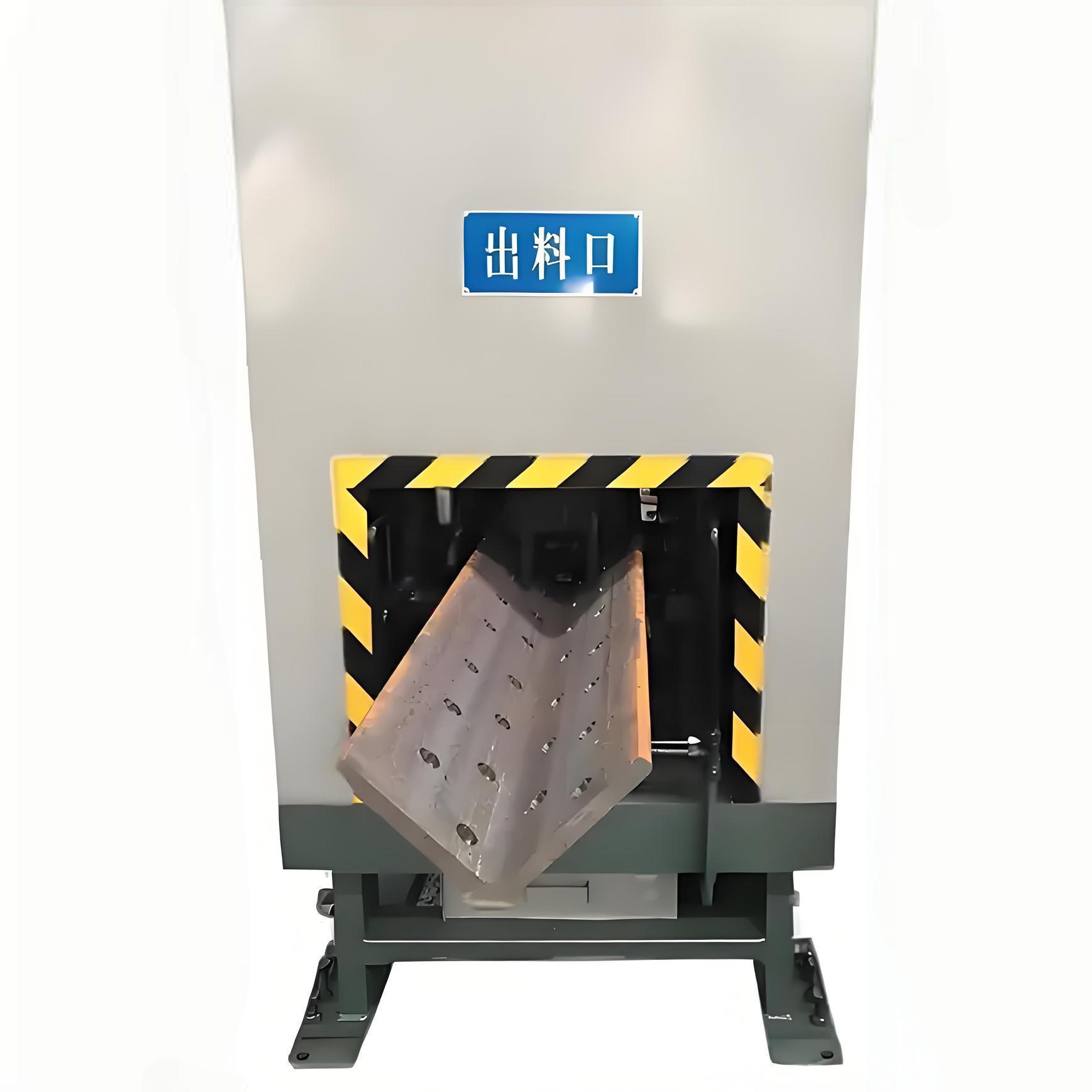
One example of specialized milling in the steel fabrication industry is the Angle Heel Milling Machine by SHANDONG FIN CNC MACHINE CO., LTD. This machine is specifically designed for use in steel tower fabrication, where precision in cutting is crucial to ensuring the structural integrity of the entire construction. The Angle Heel Milling Machine is engineered to mill the angle heels of steel profiles, which ensures that the components of the steel tower fit together perfectly. By providing clean, accurate cuts and reducing the need for further assembly work, the machine significantly shortens production time and enhances the overall quality of steel structures. This level of precision ensures better fit-ups, minimizes the need for shim work, and speeds up the installation of key infrastructure projects, such as high-speed railways, transmission towers, and wind power installations.
Feature | Angle Heel Milling Machine |
Application | Steel tower fabrication |
Precision | Ensures perfect fitting of tower components |
Key Benefit | Reduces assembly time, improves quality |
Key Technology | Rigid spindles, intelligent probing, automatic clamping |
Compatible with | Upstream systems such as Angle Heating & Bending Machines, Hydraulic Iron Workers |
What is a Drill Press?
Definition and Function
A drill press is a simple yet effective tool designed primarily for drilling precise holes in various materials, typically metals, plastics, and wood. Unlike handheld drills, which require manual operation, a drill press is a stationary tool where the workpiece is held securely while the drill bit moves vertically to make the required hole. Drill presses are typically used for tasks that require uniformity and consistency in drilling, making them an indispensable tool in many industrial and workshop settings.
Drill presses come in two main types:
● Bench-top Drill Presses, which are small, compact, and perfect for lighter tasks in smaller workshops. They are commonly used for drilling holes in wood or smaller metal components.
● Floor Drill Presses, which are larger, more powerful machines designed to handle more heavy-duty tasks. They are suitable for larger workpieces and can be found in industrial environments where precision drilling is required for components used in machinery and automotive systems.
Applications of Drill Presses
Drill presses excel in environments where accurate and repeatable hole drilling is necessary. Some common applications include:
● Woodworking: Drilling holes for the construction of furniture, cabinetry, and other wood products. Precision is key here to ensure that the parts fit together seamlessly.
● Metalworking: Drilling holes in metal parts for the production of mechanical components such as gears, shafts, and fasteners.
● Automotive: Used to drill holes for mechanical parts like engine blocks, pistons, and brackets that require precise dimensions to function properly.
Advantages of Using a Drill Press
Drill presses are favored for their simplicity, affordability, and efficiency, especially in tasks that involve high-volume, repetitive drilling. Some of the key benefits include:
● Ease of Use: Drill presses are typically much simpler to operate than more complex machines like milling machines and lathes. They don’t require a high level of technical knowledge, making them accessible to both beginners and experienced operators.
● Cost-Effectiveness: Compared to milling machines and lathes, drill presses are much more affordable, making them an excellent choice for smaller businesses or workshops that need to perform basic drilling tasks without breaking the bank.
● Consistency: Drill presses are designed to produce uniform, repeatable results, making them ideal for operations where precision in hole size, depth, and alignment is essential.
Key Differences Between Drill Presses and Milling Machines/Lathes
While drill presses are optimized for hole drilling, they are limited to one function and operate along a single axis. In contrast, milling machines offer the flexibility to cut and shape material in multiple directions, while lathes specialize in turning operations that shape cylindrical workpieces. The drill press’s simpler functionality makes it ideal for less complex, high-volume drilling tasks, but it lacks the versatility and precision of milling machines and lathes when more intricate operations are required.
What is a Lathe?
Definition and Function
A lathe is a machine used primarily for shaping or cutting cylindrical materials by rotating the workpiece while a fixed cutting tool is applied to the material. Lathes are essential in manufacturing processes where the creation of round, cylindrical, or symmetrical parts is required. As the workpiece spins, the cutting tool moves along the length of the material to remove excess material and create the desired shape.
Lathes come in different types, including:
● Manual Lathes, which require the operator to control the movement of the tool manually, are commonly used for smaller or one-off jobs and are often found in smaller workshops or repair shops.
● CNC Lathes, which use computer programming to automatically control the movement of the cutting tool, provide high precision and are often used for mass production of parts with consistent dimensions.
Applications of Lathes
Lathes are ideal for shaping cylindrical parts such as:
● Shafts, rods, and tubes, which are common in industries like automotive manufacturing, where parts like crankshafts, axles, and drive shafts require high precision.
● Rings, bolts, and gears, which are critical components in both automotive and industrial machinery. Lathes are also used in creating threads on parts like bolts, pipes, and other threaded materials.
Advantages of Using a Lathe
Lathes offer many advantages, particularly when dealing with cylindrical parts that require high precision and efficiency. Some of the key benefits include:
● Precision: Lathes excel in creating parts with precise dimensions and smooth finishes, making them ideal for parts that need to fit together perfectly.
● Efficiency: Lathes are highly efficient for mass-producing identical parts, as they can operate continuously once set up.
● Versatility: In addition to turning, lathes can perform operations such as drilling, sanding, and polishing, making them multi-functional tools in many industries.
Key Differences Between Lathes and Other Machines
While milling machines focus on cutting in multiple directions, drill presses are limited to drilling tasks, and lathes specialize in turning operations, which gives them a distinct advantage when working with cylindrical parts. Lathes are particularly valuable for creating precise, symmetrical shapes, which sets them apart from the other two machines.
Milling Machines vs Drill Presses vs Lathes: Key Comparisons
Functionality
Each machine serves a unique function that caters to different types of tasks:
● Milling Machines: Best suited for cutting complex shapes, contours, and surfaces.
● Drill Presses: Ideal for drilling precise holes with high consistency and repeatability.
● Lathes: Perfect for turning and shaping cylindrical materials.
Precision and Efficiency
● Milling Machines: Offers the highest precision for intricate, multi-dimensional parts, making them ideal for industries such as aerospace and automotive.
● Drill Presses: Best for high-precision hole drilling with less versatility compared to milling machines.
● Lathes: Provides precision in creating cylindrical parts, particularly useful in automotive and mechanical engineering for parts like shafts, rods, and bearings.
Cost and Maintenance
Machine Type | Cost | Maintenance Requirements |
Milling Machines | High | Requires regular maintenance, especially for CNC versions |
Drill Presses | Low | Minimal maintenance, cost-effective |
Lathes | Medium-High | Requires periodic calibration and tool replacement |
When to Use Each Machine: Practical Decision-Making Guide
When selecting a milling machine, it should be your choice if you need to create parts with complex, multi-dimensional shapes that require multiple cutting directions, as well as when high precision and repeatability are essential for your application, such as in industries like aerospace, automotive, or high-end manufacturing. On the other hand, a drill press is the best option if you are looking for a simple, cost-effective solution for drilling tasks that demand high accuracy and consistency, but without the need for complex cuts or intricate shapes. A lathe should be chosen when your project involves creating cylindrical parts or turning materials to specific diameters, especially when the parts need to be symmetrical and require high precision for tasks such as turning, shaping, or finishing.
Conclusion
When selecting the right machine for your project, it's essential to consider your specific requirements and the type of task you are working on. Milling machines, like those offered by SHANDONG FIN CNC MACHINE CO., LTD., are ideal for creating complex, multi-dimensional cuts and intricate shapes, making them essential for projects that require high precision and versatility. On the other hand, drill presses are best suited for high-precision, repetitive hole drilling, offering a cost-effective solution for simpler tasks. Lathes, specialized in turning cylindrical parts, are the go-to choice when you need to work with cylindrical materials or perform turning operations with high precision. By carefully weighing factors such as precision, efficiency, cost, and the operations required for your project, you can make an informed decision that ensures optimal performance and quality. Each machine has its own strengths, and understanding those strengths will help you choose the right tool for your specific needs. When investing in industrial machines, always consider the long-term benefits, precision, and efficiency relative to the cost to ensure your investment aligns with your operational goals and production requirements.
FAQ
Q: What is the difference between Milling Machines, Drill Presses, and Lathes?
A: Milling machines are versatile tools that cut material in multiple directions, allowing for complex shapes. Drill presses are designed for drilling precise holes, while lathes are used for turning cylindrical parts. Each machine has its specific function, with milling machines being ideal for detailed, multi-dimensional tasks, drill presses for repetitive hole drilling, and lathes for shaping cylindrical workpieces.
Q: How do Milling Machines work?
A: Milling machines work by rotating a cutting tool against a stationary workpiece, allowing precise material removal. This makes them ideal for creating complex shapes. Milling machines are used for tasks like cutting, drilling, and shaping, particularly in industries like aerospace and automotive, where precision is crucial.
Q: Why should I choose a Milling Machine over a Drill Press?
A: Choose a milling machine when you need multi-directional cuts or to create complex shapes. While drill presses are perfect for repetitive hole drilling, milling machines offer greater versatility and precision for intricate parts, particularly in high-end manufacturing, automotive, and aerospace industries.
Q: Are Milling Machines more expensive than Drill Presses?
A: Yes, milling machines are typically more expensive than drill presses due to their advanced features and versatility. Milling machines provide more precision and can handle complex tasks, making them an investment for industries requiring detailed work, such as aerospace and automotive.


