Ever wondered how to cut laminate without leaving unsightly chips? Achieving clean, smooth cuts is key for any project, whether it's a DIY home renovation or professional design work. Without the right tools, laminate can be easily damaged during cutting. In this article, you’ll discover expert methods to avoid chipping and achieve perfect edges. Plus, we’ll explore how CNC H Beam Laser Cutting Machines can revolutionize your cutting process with unparalleled precision.
2. Why Does Laminate Chip When Cutting?
Understanding Laminate Composition and Its Vulnerabilities
Laminate surfaces are often composed of layers of paper or fabric that are fused with resin and topped with a durable, plastic-like outer layer. The inner layers are typically made from either MDF (Medium Density Fiberboard) or particleboard, which provides stability and support. However, this layered construction can make laminate particularly susceptible to chipping when subjected to physical stress, especially when cutting through the edges. Unlike metals or solid wood, laminate is brittle along its edges, making it prone to splintering under the wrong conditions.
The primary reason for laminate chipping during cutting is the interaction between the cutting tool and the material. Saws and jigsaws apply direct mechanical force, which can easily splinter the laminate, especially on the underside. When the cutting tool moves through the laminate, the pressure causes the material to crack along the cut line, which leads to visible chipping.
Common Reasons for Laminate Chipping
There are several key factors that contribute to laminate chipping:
1. Blade Type: The use of a blade that is too coarse or dull will not produce a smooth cut. Coarse blades tear through the laminate, causing jagged edges and splintering. A finer blade with more teeth per inch is essential for achieving clean cuts.
2. Incorrect Cutting Technique: The speed at which the cutting tool is operated can have a significant effect on the quality of the cut. Cutting too quickly can increase the chances of chipping, while cutting too slowly can cause uneven cuts.
3. Excessive Pressure: Applying too much pressure while cutting can result in cracks or chips, especially on the underside of the laminate. This is a common mistake when using traditional saws, as the operator might try to force the tool through the material.
4. Tool Setup: Improper setup of cutting tools, such as incorrect blade alignment or improper material support, can lead to uneven cuts that cause chipping.
In traditional cutting methods, these issues are particularly evident, but using advanced tools like CNC H Beam Laser Cutting Machines eliminates these challenges. Laser cutting involves minimal physical contact with the material, drastically reducing the risk of chipping.
The Importance of Cutting Edge Technology for Precision
CNC H Beam Laser Cutting Machines use high-powered lasers that provide precision cuts by focusing the laser beam on the material, effectively "melting" or "vaporizing" the laminate along the cut line. This technique offers several advantages over traditional cutting methods:
● High Precision: The laser cuts with exceptional accuracy, which eliminates the possibility of chipping, even along the edges.
● Minimal Heat Distortion: Unlike traditional plasma or flame cutting, laser technology applies minimal heat to the material, reducing the risk of heat distortion or warping.
● No Blade Wear: Because there is no physical blade involved, there is no risk of blade wear or dullness affecting the quality of the cut.
These benefits make CNC H Beam Laser Cutting Machines an ideal solution for those looking for high-quality, chip-free laminate cuts, whether in industrial-scale fabrication or small DIY projects.
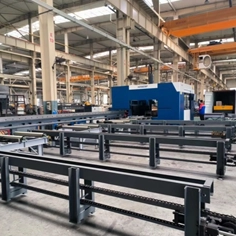
3. Methods to Cut Laminate Without Chipping
Using a Jigsaw with Fine Blades
A jigsaw can be a convenient tool for cutting laminate, particularly for making curved or intricate cuts. However, using the wrong blade can result in significant chipping. To avoid this, it is crucial to use a fine-toothed blade specifically designed for laminate or wood cutting. Fine blades, with a tooth count of 10 to 12 teeth per inch, create smoother cuts and reduce the risk of splintering.
Tips:
● Always cut laminate with the face side down, as this reduces the likelihood of visible chipping.
● Set the jigsaw to a slower speed to prevent the blade from overheating, which can cause damage to the laminate surface.
● Use painter’s tape along the cut line to help reduce the risk of chipping.
Best Tools for Cutting Laminate Without Chipping
There are several tools you can use for cutting laminate, and while traditional saws can work if used correctly, CNC H Beam Laser Cutting Machines offer superior precision for those who need flawless cuts. Below is a comparison of various cutting methods:
| Tool | Advantages | Disadvantages |
| Table Saws | Ideal for straight cuts with a fine-tooth blade. | Can cause chipping if blade is not suitable. |
| Circular Saws | Good for larger laminate sheets. | Requires careful technique to avoid chipping. |
| Jigsaws | Best for curved cuts. | Risk of chipping if not using fine-toothed blades. |
| CNC H Beam Laser Cutting Machines | Precision cutting with minimal material wastage. | Requires investment and professional setup. |
As the table illustrates, CNC H Beam Laser Cutting Machines provide the most advanced and efficient solution for laminate cutting. They ensure consistently clean edges with minimal risk of chipping and reduce the need for post-cut finishing work.
Using Painter’s Tape for Cleaner Cuts
One simple yet effective technique to minimize chipping when cutting laminate is to apply painter’s tape along the cut line. This method helps stabilize the laminate as it is being cut, preventing the surface from splintering or cracking.
Steps:
1. Measure and mark the cutting line accurately.
2. Apply painter's tape directly along the cutting line.
3. Cut through the laminate carefully with a jigsaw or circular saw.
4. Remove the painter's tape after cutting to reveal a smooth, clean edge.
5. Step-by-Step Guide: Cutting Laminate Like a Pro
Preparing the Laminate for Cutting
Proper preparation is key to ensuring clean, chip-free cuts. Begin by measuring and marking the laminate carefully. For straight cuts, use a ruler or a straightedge to guide your saw, ensuring that your cuts remain accurate and aligned. For complex cuts or intricate patterns, consider using a template or guide to follow along the edges.
Important: Before making any cuts, make sure the laminate is securely clamped or held in place. This will prevent any shifting or movement during the cutting process, which can lead to uneven cuts and increased risk of chipping.
Setting Up the Cutting Tool
Once you’ve properly prepared your laminate and set up your cutting area, it’s time to set up your cutting tool. For traditional tools like circular saws or jigsaws, ensure the correct blade is installed and adjust the cutting speed if possible. For CNC H Beam Laser Cutting Machines, follow the manufacturer's guidelines to ensure that the laser is focused and calibrated for the material being cut.
Reminder: Always conduct a test cut on a scrap piece of laminate to ensure that your tool settings are correct and that the cut quality meets your expectations.
6. Advanced Cutting Techniques for Professionals
Using CNC H Beam Laser Cutting Machines for Precision
For professional-grade results, CNC H Beam Laser Cutting Machines are the ideal choice. These machines utilize high-powered laser beams that can cut laminate with unmatched precision. The key advantage of using a laser is its ability to cut through the laminate without applying physical force, which significantly reduces the risk of chipping.
Laser cutting is also incredibly efficient, enabling you to complete complex cuts and profiles quickly and accurately. With CNC H Beam Laser Cutting Machines, you can achieve precise edges, intricate patterns, and clean cutouts, all while maintaining high production speed and minimal waste.
Laser Cutting vs. Traditional Tools for Laminate
While traditional tools like table saws and circular saws are still widely used, CNC H Beam Laser Cutting Machines have become the preferred choice for those who require the highest level of precision and consistency. The table below compares the benefits of laser cutting against traditional methods.
| Feature | Laser Cutting (CNC H Beam Laser) | Traditional Tools |
| Precision | Very high, with minimal contact | Moderate to high |
| Edge Quality | Clean, smooth, no chipping | Rough edges, may require sanding |
| Speed | Fast and efficient | Moderate to slow |
| Material Distortion | Minimal heat distortion | Higher risk of heat damage |
| Waste | Reduced, efficient use of materials | Higher waste, especially with manual tools |
As the table demonstrates, CNC H Beam Laser Cutting Machines offer significant advantages over traditional cutting methods, particularly when it comes to laminate cutting. These machines ensure that the material is cut with the utmost precision, minimizing chipping, heat distortion, and waste.
7. Common Mistakes to Avoid When Cutting Laminate
Using the Wrong Blade or Tool
One of the most common mistakes when cutting laminate is using the wrong blade or tool. For example, using a coarse blade designed for wood or metal can cause significant damage to the laminate, leading to chips and splinters. CNC H Beam Laser Cutting Machines eliminate this risk by using a laser beam that cuts with high precision and minimal contact with the material.
Incorrect Cutting Speed
Cutting too quickly can lead to jagged edges, while cutting too slowly can cause the laminate to overheat, leading to warping or burning. The key to a perfect cut is finding the right balance of speed and pressure. CNC H Beam Laser Cutting Machines offer the advantage of consistent, controlled cutting speed, ensuring that each cut is smooth and even.
8. Conclusion
Cutting laminate without chipping is achievable with the right techniques, tools, and preparation. While traditional methods like using a jigsaw or circular saw can work if used correctly, CNC H Beam Laser Cutting Machines offer superior precision, speed, and quality. These machines are perfect for achieving clean, chip-free results every time, making them an ideal choice for professionals and DIY enthusiasts alike.
Call to Action: If you're looking for the highest quality and precision in laminate cutting, consider exploring CNC H Beam Laser Cutting Machines by SHANDONG FIN CNC MACHINE CO., LTD.. These advanced systems provide exceptional accuracy and minimal waste, making them the ideal choice for both small and large-scale laminate projects. With decades of expertise in providing high-precision cutting solutions, SHANDONG FIN CNC MACHINE CO., LTD. ensures that you receive not only the best machines but also outstanding customer service, including layout planning, operator training, and after-sales support. Visit their website or contact them today to learn more about how their CNC H Beam Laser Cutting Machines can elevate your laminate cutting process.
FAQ
Q: What is the best way to cut laminate without chipping?
A: The best way to cut laminate without chipping is to use tools with fine-toothed blades, such as a jigsaw or circular saw. For professional results, a CNC H Beam Laser Cutting Machine provides exceptional precision and clean cuts without damaging the material. It offers high-quality cuts with minimal waste, especially when working with delicate laminate surfaces.
Q: How does a CNC H Beam Laser Cutting Machine help in laminate cutting?
A: CNC H Beam Laser Cutting Machines use high-powered lasers to achieve precise cuts on laminate, ensuring clean edges without the risk of chipping. These machines reduce the physical contact with the material, which prevents damage and guarantees a smooth finish. They're ideal for both small and large-scale projects that require high accuracy.
Q: Why do traditional cutting methods cause laminate to chip?
A: Traditional methods like using jigsaws or table saws often cause laminate to chip because they apply physical force directly to the material. The rough or dull blades can lead to uneven cuts, and excessive pressure during cutting can further damage the laminate. A CNC H Beam Laser Cutting Machine avoids this issue by using laser precision to achieve flawless cuts.
Q: Are Steel Structure Working Machines useful for laminate cutting?
A: Steel Structure Working Machines are typically used for cutting steel and other heavy materials. While not designed for laminate, advanced machines like CNC H Beam Laser Cutting Machines are specifically engineered to handle materials like laminate with high precision, offering clean cuts with minimal effort and waste.


