+86-13153105219    sales@fincm.com 
TLT Manufacture Machines
Steel Structure Fabrication Machines
CNC Tube Plate / Flange Drilling Machine
Customized CNC Machines
What Are Carbide Drill Bits and How Do They Work
You are here: Home » News » News » What Are Carbide Drill Bits and How Do They Work

What Are Carbide Drill Bits and How Do They Work

Views: 0     Author: Site Editor     Publish Time: 2026-02-25      Origin: Site

Inquire

wechat sharing button
line sharing button
twitter sharing button
facebook sharing button
linkedin sharing button
pinterest sharing button
whatsapp sharing button
sharethis sharing button

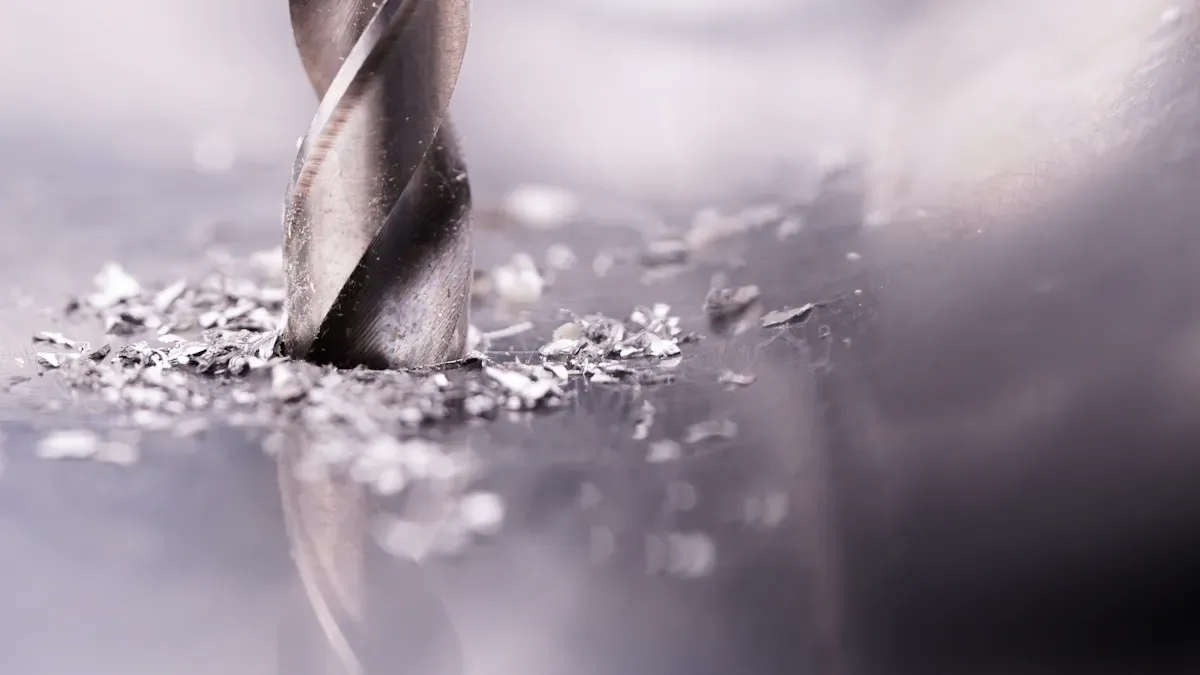
You use carbide drill bits for the hardest jobs. These bits are special because they do not wear out fast. They stay sharp after many uses. Many people ask how long a carbide drill bit lasts. Carbide drill bits last longer than other bits. The best carbide bits can drill metal, stone, or glass. You might wonder what material a carbide drill bit can drill. These bits work best on steel, cast iron, and hard surfaces. Carbide-tipped bits are used in CNC machines for steel work. You may also ask why carbide drill bits cost more. They are very hard and can handle high heat. They work well with tough materials. This makes them the hardest drill bit. This is why carbide drill bits cost more. If you want to know how long they last or why they cost more, remember they last longer and can drill the hardest things.


Key Takeaways

  • Carbide drill bits use tungsten carbide. This makes them very hard and strong for tough work. These bits keep their sharp edge longer than other bits. They help you drill well in steel, concrete, and glass. Pick the right carbide drill bit for your project. Use twist bits for metal or spade bits for wood. Take care of your bits by cleaning and storing them right. This helps them last longer and work better. Using carbide drill bits saves time and money over time. They work well and last long in hard materials.


What Are Carbide Drill Bits

What Are Carbide Drill Bits


When you ask what are carbide drill bits, you want to know what makes them special. Carbide drill bits are tools made for drilling into very hard materials. You use them when you need strength, sharpness, and long life. Many people in construction, metalworking, and manufacturing choose carbide drill bits because they work where other bits fail. If you wonder what are carbide drill bits made of, you will find the answer in their unique material.


Carbide Material Explained

You find the secret to carbide drill bits in their material. Most carbide drill bits use tungsten carbide. This is a compound made from two main elements:

  • Tungsten (W): This metal gives the bit a very high melting point and makes it extremely hard.

  • Carbon (C): This element increases the hardness and helps the bit resist wear.

Manufacturers create tungsten carbide by mixing powdered tungsten and carbon. They use a process called sintering. In this process, they heat and press the powders together until they form a solid, tough material. This makes carbide drill bits much harder than regular steel bits.

You can see how hard tungsten carbide is by looking at the Mohs hardness scale. Here is a table that compares tungsten carbide to other common drill bit materials:

Material

Mohs Hardness

Rockwell Hardness (HRC)

Tungsten Carbide

9

>70

Cobalt Bit

N/A

~67

Diamond

10

N/A

Cubic Boron Nitride

9.5

N/A

Boron Carbide

9.5

N/A

You see that tungsten carbide is almost as hard as diamond. This means carbide drill bits can cut through tough materials like steel, stone, and glass.


Types of Carbide Drill Bits

You may ask what are carbide drill bits used for and what types of carbide drill bits exist. You will find two main kinds: carbide-tipped and full-body carbide drill bits.

  • Carbide-tipped drill bits have a steel body with a tip made of tungsten carbide. You use these when you want a strong bit that is also less expensive.

  • Full-body carbide drill bits are made almost entirely from tungsten carbide. You choose these when you need the highest strength and longest life.

You also find different shapes and designs for carbide drill bits. Here is a table that shows the most common types of carbide drill bits and their typical uses:

Type of Carbide Drill Bit

Typical Uses

Twist Bits

General-purpose drilling, ideal for various materials.

Spade Bits

Creating large holes in wood and softer metals.

Hole Saw

Making wide holes, with the core collecting inside the bit.

Step Bits

Drilling holes of different diameters without changing bits.

You pick the right type of carbide drill bits based on your project. If you need to drill many holes in steel, you might use twist bits. If you want to make a large hole in wood, you might use a spade bit. When you ask what are carbide drill bits, you now know they come in many forms to fit your needs.

Tip: Always match the type of carbide drill bits to the material you plan to drill. This helps you get the best results and keeps your tools in good shape.

Carbide drill bits stand out because of their material and design. When you understand what are carbide drill bits, you can choose the right tool for any tough job.


How Carbide Drill Bits Work

How Carbide Drill Bits Work


Cutting Mechanism

Carbide drill bits work best for hard materials. They use a special way to cut that makes them different. The secret is in what they are made of. Tungsten carbide is made by mixing tungsten and carbon with a binder like cobalt. This makes the bits very hard. Because of this hardness, you can drill stainless steel, titanium, and tough steels. The bit does not get damaged.

When you use carbide drill bits, they stay sharp for a long time. Their sharp edge can handle high heat and keeps its shape. These bits cut hard materials and get rid of heat fast. This lets you drill quickly and easily.

  • Carbide drill bits are not made from steel alloys. They are made from tungsten and carbon mixed together.

  • Their hardness helps them keep a sharp edge even when hot.

  • You can use them for jobs that would break regular drill bits.


Precision and Durability

You want your tools to last and work well. Carbide drill bits give you accuracy and strength. Their special material helps them stay strong and not wear out. You can use them for a long time without losing sharpness or shape.

  • Carbide drill bits give you the same results every time.

  • You spend less time changing bits and replacing them.

  • These bits can handle high heat, so you can work faster.

If you need to drill metal, wood, or plastic, carbide drill bits are a good choice. Their accuracy and strength make them great for hard jobs. You save time and money because you do not need new bits often.

Tip: Pick carbide drill bits when you need strong and accurate tools for tough jobs. They help you make clean holes and smooth finishes.


What Are Carbide Drill Bits Used For

Materials for Carbide Drill Bits

You might wonder what carbide drill bits are used for. These tools are found in many jobs because they can handle hard stuff. You use carbide drill bits when regular bits cannot drill through tough surfaces. Here are some materials you can drill with carbide drill bits:

  • Hardened steel

  • Concrete

  • Ceramics

  • Composites

  • Fiberglass

  • Glass

  • Masonry

Carbide drill bits work well on steel and concrete. They cut concrete easily. These bits also work great on ceramics and glass. You avoid cracks and chips if you pick the right bit. Carbide drill bits are good for masonry because they last longer and stay sharp.

Let’s see how carbide drill bits compare to other drill bits for different materials:

Material

Carbide Drill Bits Performance

Other Drill Bits Performance

Steel

Very good, can cut tough metals

Not as good

Concrete

Strong, can cut concrete and rebar

May have trouble with hard spots

Ceramics

Works well on fire-hardened glaze

Can crack tiles if not right

Glass

Hardness gives clean cuts

May chip or crack easily

Masonry

Works better because it is tough

Not as good for hard jobs

Carbide drill bits give you better results for hard materials. You get clean holes and smooth finishes. Your workpiece does not get damaged.

Tip: Use carbide drill bits when you need to drill tough materials. You save time and get better results.


Industrial Applications

You may ask where carbide drill bits are used in industry. These bits are used in many fields because they are strong and precise. You use them in construction, automotive, mining, and more.

Here is a table showing main industrial uses for carbide drill bits:

Application

Description

Masonry and Construction

Needed for drilling tough masonry like concrete, stone, and brick.

Automotive Industry

Used for making holes in metal parts during car building and repair.

Mining

Used for drilling in mines because they last and are accurate.

Anchoring and Fastening

Used for putting anchors and fasteners in hard materials.

Structural Retrofitting

Used by builders for foundation work and fixing structures.

In construction, you use carbide drill bits to drill concrete, brick, and stone. You use them for foundation work and fixing buildings. In the automotive industry, you use them to make holes in metal parts. In mining, you use them because they last longer and keep their shape.

CNC machines from SHANDONG FIN CNC MACHINE CO,LTD help you use carbide drill bits for steel work. These machines make your job faster and more accurate. You use CNC machines to drill steel parts. Carbide drill bits fit these machines because they stay sharp and cut steel easily. You get good results and improve your work.

Note: You can use carbide drill bits with CNC machines for steel work. You get high speed and accuracy.

Now you know what carbide drill bits are used for. You use them to drill hard materials and in many industries. You get better performance and longer tool life.


Carbide Drill Bits vs. Other Types

HSS vs. Carbide Drill Bits

You might wonder how HSS drill bits compare to carbide drill bits. HSS bits are good for soft metals and wood. They are easy to sharpen and cost less money. Carbide drill bits are much harder and last longer. You use carbide bits for tough jobs and fast drilling. They can handle more heat and stay sharp longer. If you use CNC machines or drill hard metals, carbide bits work better.

Feature

HSS

Carbide

Hardness

~62–66 HRC

~75–94 HRA

Cutting Speed

Low to moderate

High to ultra-high

Heat Resistance

Up to 600°C

Up to 1000°C+

Tool Life

Shorter

2–10x longer

Toughness

High

Brittle

Cost

Low

High

Sharpening

Easy

Needs diamond wheel

Best Use

Soft metals, wood

Hard metals, CNC

Tip: Pick carbide drill bits for hard materials and fast jobs. Use HSS bits for easy tasks and softer stuff.


Cobalt vs. Carbide Drill Bits

Cobalt drill bits are also good for hard metals. They can take heat and last longer than HSS bits. You use cobalt bits for stainless steel and other tough metals. Carbide drill bits are even harder and do not wear out as fast. In big factories, carbide bits stay sharp and last longer than cobalt bits. If you need a bit for very hard jobs, choose carbide drill bits.

Feature

Cobalt Drill Bits

Carbide Drill Bits

Heat Resistance

Up to 2,700°F

Excellent, extreme temps

Durability

Durable

Extremely durable

Cost

High

Higher

Flexibility

Less flexible

Brittle

Precision

Good

Excellent

Note: Use cobalt bits for most hard metals. Pick carbide drill bits for the hardest jobs and lots of drilling.


Titanium-Coated vs. Carbide Drill Bits

Titanium-coated drill bits have a special layer on the outside. This layer makes them harder than plain steel bits. The coating helps lower friction and heat. You use these bits for mild steel and aluminum. The coating can wear off after a while. Carbide drill bits are hard all the way through. They do not need a coating to stay strong. You use carbide bits for heavy-duty work and tough materials.

Feature

Titanium-Coated Drill Bits

Carbide Drill Bits

Coating Type

Surface treatment

Solid hard material

Hardness

Enhanced by coating

Inherent strength

Heat Resistance

Good

Very high

Longevity

3–5x longer than steel

Maintains after sharpening

Application

Mild steel, aluminum

Heavy-duty, hard materials

Tip: Use titanium-coated bits for everyday drilling. Choose carbide drill bits for strength and long life.


What Are Carbide Drill Bits Good For

You may ask what carbide drill bits are good for. These bits are best for jobs that need accuracy, speed, and strength. You use them in factories, building sites, and places that need lots of drilling. Carbide drill bits work well on hard steel, concrete, ceramics, and composites. They help you make clean holes in the hardest stuff. If you want to know what carbide drill bits are good for, remember they are the best for tough jobs and CNC machines.

  • Manufacturing: Drilling hard metals and composites.

  • Construction: Drilling concrete and masonry.

  • High-volume production: Keeping speed and accuracy high.

Remember: Carbide drill bits give you great results for hard jobs and last a long time.


Choosing and Using Carbide Drill Bits

Selecting the Right Bit

You want the best results when you drill. Start by matching the drill bit to your material. Carbide drill bits work best for hard and abrasive materials like stainless steel, cast iron, and concrete. You can choose from different types, such as twist drill bits for metal or carbide-tipped masonry bits for stone and concrete. Spade bits and hole saws with carbide tips help you drill wood and soft metals.

Here is a table to help you pick the right bit:

Factor

Description

Material Compatibility

Use carbide drill bits for hard materials like steel, concrete, and ceramics.

Bit Type

Twist bits for metal, masonry bits for stone, spade bits for wood.

Tip Geometry

A 135-degree split point works well for steel and keeps the bit from slipping.

The tip design matters. For steel, a 135-degree split point helps you start holes easily and keeps the bit steady. Flute design also plays a role. Two flutes balance strength and chip removal, while more flutes give a smoother finish.

Tip: Always check the bit’s geometry and coating. Coatings reduce friction and help your bit last longer.


Tips for Use and Maintenance

You can make your carbide drill bits last longer with good habits. Handle them with care because they are strong but can be brittle. Use the right speed and torque for your material. Apply moderate pressure and let the bit do the work. Allow the bit to cool down between uses to prevent damage.

  • Clean your bits after each use by shaking off debris and wiping them with a cloth.

  • Inspect your bits for wear or damage before each job.

  • Store your bits in a dry, protective case to avoid moisture and rust.

  • Use proper clamping methods, like precision collet chucks, for accuracy.

Safety First: Wear safety goggles and a mask to protect yourself from flying debris and dust. Always check your workpiece and drill bit before starting.

You get better results and longer tool life when you follow these steps. Carbide drill bits give you clean holes and smooth finishes when you use them the right way.

You get many benefits when you pick carbide drill bits for hard jobs.

  • These bits keep their sharp edge for a long time and cut well.

  • You can drill steel, cast iron, and aluminum without trouble.

  • Companies save money because they can use and sharpen these drills again, and sharp tools mean less time wasted.

Carbide bits are not only better than cobalt; they also work faster and last longer, especially on rough materials.

Check out advanced CNC machines from SHANDONG FIN CNC MACHINE CO,LTD to help with steel work and get accurate results.


FAQ

What makes carbide drill bits last longer?

Carbide drill bits use tough tungsten carbide. This material stays sharp and resists heat. You get more drilling time before you need a new bit.


Can you use carbide drill bits in regular drills?

You can use carbide drill bits in most drills. Make sure your drill is strong enough. Carbide bits work best in machines with steady speed and power.


How do you clean carbide drill bits?

Wipe your carbide drill bits with a dry cloth after each use. Remove dust and debris. Store them in a dry case to keep them safe.


What materials can you drill with carbide bits?

You can drill steel, concrete, ceramics, glass, and masonry. Carbide drill bits handle hard surfaces. You get clean holes in tough materials.

SIGN UP FOR OUR NEWSLETTER

CONTACT US

Tel:+86-13153105219 / +86-53188875516
Email:sales@fincm.com
WhatsApp:+86-13153105219
Add:No.2222,Century Avenue,High-tech Development,Zone Jinan,China

QUICK LINKS

PRODUCTS CATEGORY

Copyright © 2024 SHANDONG FIN CNC MACHINE CO,LTD. All Rights Reserved.| Supported By leadong.  Sitemap.