Views: 0 Author: Site Editor Publish Time: 2026-04-07 Origin: Site
You might wonder about the CNC meaning. CNC stands for Computer Numerical Control, and understanding the CNC meaning is essential when discussing modern manufacturing. This term refers to machines that operate using computer commands. These machines can cut, drill, or shape materials with high precision. In factories, the CNC meaning is all about computers controlling machine tools, making production more efficient. Many industries rely on CNC, including aerospace, automotive, and electronics, and the CNC market continues to grow each year.

While some people may use CNC for different applications, here you will focus on the CNC meaning as it relates to machines and technology.
Definition | Description |
|---|---|
CNC | The CNC meaning is Computer Numerical Control, where machine tools follow computer instructions instead of being operated manually. |
Functionality | CNC machines, true to the CNC meaning, control tool movement, speed, and the sequence of operations. They perform tasks like cutting and drilling with exceptional accuracy. |
Advantages | The CNC meaning also includes improved results, faster operation, and perfect repeatability. Manual machining relies on the operator’s skill, but CNC ensures consistent quality. |
CNC means Computer Numerical Control. It lets machines use computer commands. This helps make things with high accuracy.
CNC technology helps work get done faster. It lowers mistakes and keeps the quality the same for many parts.
To understand CNC, you need to know about design (CAD), manufacturing (CAM), machining, and checking the work. These steps help make things right every time.
There are different kinds of CNC machines. Some are milling machines, lathes, and routers. Each one does a special job in making things.
Many industries use CNC, like aerospace, cars, and furniture. CNC helps them make things faster and better. It is very important in factories today.

CNC stands for computer numerical control. This means computers run machine tools. Computers now do jobs people used to do by hand. Instead of a person moving the machine, a computer gives exact commands. This change made factories work faster and more accurately.
The term "computer numerical control" started in the 1940s and 1950s. Back then, the first NC machines appeared. These machines used punched tape to move tools automatically. By the 1980s, computers improved and CNC systems were created. These new systems used both software and hardware for better control. In 1985, John T. Parsons and Frank L. Stulen were honored for their work. Their efforts showed how important CNC is in manufacturing today.
Sometimes, CNC means other things in different conversations. For example, it can mean consensual non-consent. But this article only talks about CNC in factories and machines. Here, CNC is about smart systems that make machining easier and better.
Learning the basics of computer numerical control helps you understand how these machines work. A CNC system has several main parts that work together:
Component | Description |
|---|---|
Controller | The controller is the brain. It reads G-code and moves the axes. |
Drives | Drives power motors that move the axes. These motors can be stepper or servo. |
Motion System | The motion system uses guides and ballscrews. This helps the axes move accurately. |
Spindle | The spindle spins the cutting tool. It is needed for machining. |
Tooling | Tooling includes tools like end mills and drills. These tools do special jobs. |
Machine Axes | Machines usually have X, Y, and Z axes. Some machines have rotary axes for harder jobs. |
Workholding | Workholding uses vises and chucks to hold the workpiece tight. |
Coolant Systems | Coolant systems keep things cool and lubricated during machining. |
CNC has changed a lot over time. At first, machines used punched tape, which was not very flexible. Over the years, CNC became more advanced. In 1956, the APT programming language helped machines do harder tasks. Later, moving from NC to CNC in the late 1960s made machines smarter and more efficient. Today, CNC machines use CAD and CAM software. This lets people make changes quickly and create detailed designs with little help.
CNC technology started in the 1940s and 1950s. It helped factories move from manual work to automated and accurate processes. Modern CNC machines can do tough jobs like steel punching, shearing, and drilling. They do these jobs with great precision. For example, SHANDONG FIN CNC MACHINE CO,LTD makes advanced CNC machines for steel work. Their machines, like the Angle Steel Punching Shearing CNC Machine APM1010A and the CNC Angle Processing Machine APM1412, show how CNC improves steel production.
In short, CNC systems use digital instructions to guide machine tools. This makes production faster, more accurate, and consistent. CNC is much better than older machine automation. It gives factories the best accuracy and efficiency, making it very important today.
The cnc process has steps that turn ideas into real parts. Here is how the cnc process usually happens:
Design phase (CAD): You make a digital 3D model of your part. This is done in computer-aided design (CAD) software.
Manufacturing phase (CAM): You use computer-aided manufacturing (CAM) software next. It changes your design into instructions for the cnc machine.
Machining phase: The cnc machine follows these instructions. It cuts, drills, or shapes the material. This step is called cnc machining.
Finishing and inspection phase: After machining, you finish the part. You check it to make sure it is good.
The cnc process gives you great accuracy and repeatability. Once you set up a cnc machine, it makes the same part again and again. It does not make mistakes. Manual work can have errors because people get tired or tools wear out. With cnc technology, you get parts that are always the same size and shape. It does not matter who uses the machine.
Tip: Advanced software and sensors in cnc systems help you stop errors. They keep every part perfect.
Cnc technology has changed how factories work. Now, machines connect with digital design and manufacturing software. This lets you turn ideas into real products quickly. CAD and CAM software work with cnc machines. This makes the cnc process faster and helps stop mistakes. You can test your designs in the computer before making anything. This saves time and money.
Modern cnc technology uses smart features like artificial intelligence and the Internet of Things (IoT). These tools help you collect data and predict problems. They keep machines running well. Reports show that using IoT and data analytics can boost productivity by up to 30 percent. Smart factories use these tools to watch machines in real time. They fix issues before they cause downtime.
Cnc technology lets you use new materials and mix different methods. You can add and remove material in one process. This makes cnc machining more flexible and powerful than before.
Feature | Benefit |
|---|---|
AI and IoT integration | Higher efficiency and less downtime |
Advanced materials | More options for strong, precise parts |
Hybrid manufacturing | Complex shapes with high accuracy |
You can see how the cnc process and cnc technology help modern manufacturing. They let you make better products, faster and with fewer mistakes.

When you explore cnc machines, you find many types. Each type has a special job in manufacturing and steel processing. Here are the main types you will see:
CNC Milling Machine: Used for milling, drilling, and cutting.
CNC Plasma Cutters: Make accurate cuts with a plasma torch.
CNC Lathe Machines: Shape cylindrical, conical, or flat products.
CNC Laser Cutting Machines: Cut through many materials, including metals.
Cnc mills help you create complex shapes and surfaces. You use these cnc machines for tasks that need high accuracy, like making gears or turbines. The cutting tool spins and moves across the workpiece, which stays still. This lets you make detailed designs on many surfaces. Cnc mills work well for both small and large projects. You can find these cnc machines in many factories, especially when you need to make parts with many angles and edges.
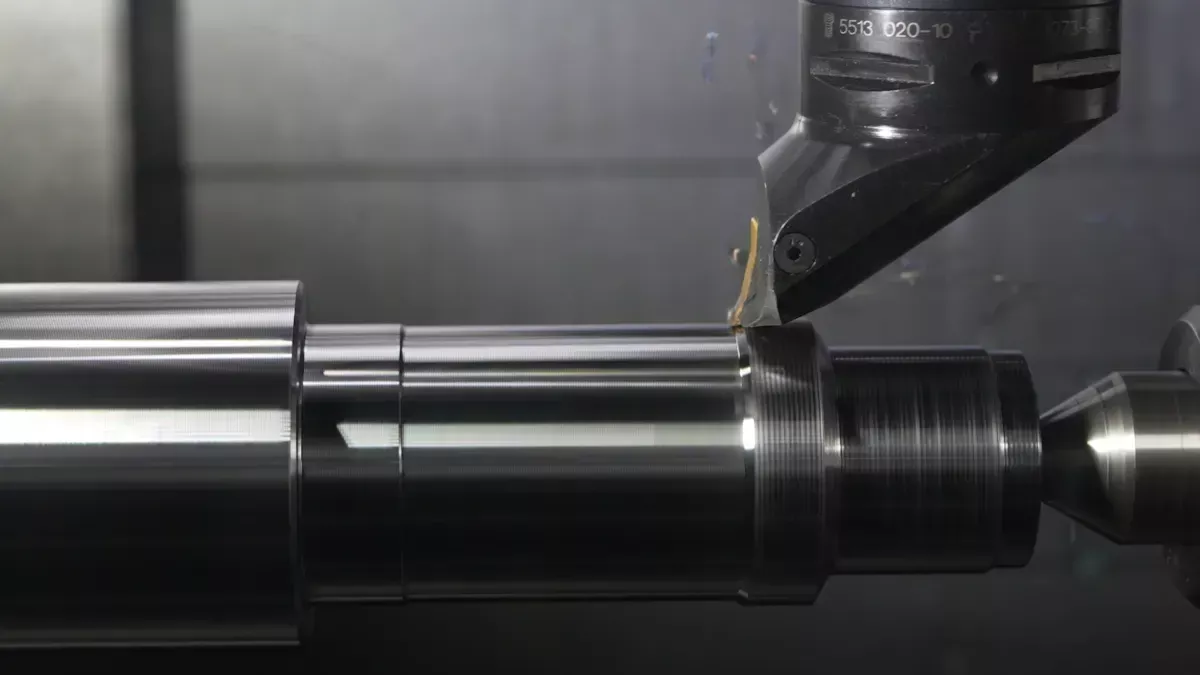
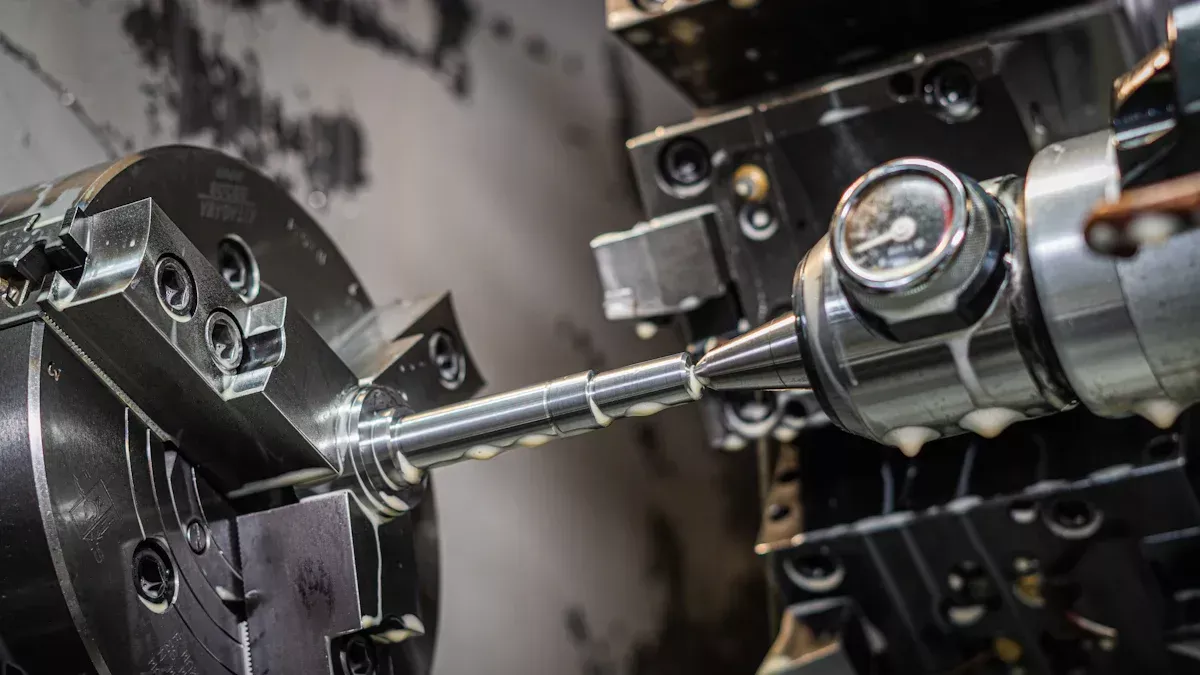
Cnc lathes work best when you need to make round or cylindrical parts. These cnc machines spin the workpiece while a fixed cutting tool shapes it. You can quickly make many parts that look the same. Cnc lathes help you save time and keep every part the same size. You use these cnc machines for things like pipes, bolts, and rods. They are important in factories that need to make many round parts fast.
Cnc routers cut and shape flat materials like wood, plastic, and metal. You use these cnc machines for signs, panels, and even furniture. Routers come in different sizes and strengths. Some are small for simple jobs, while others are big and powerful for heavy work. Here is a table to help you see the differences:
Feature | Entry-Level CNC Router | Production-Class CNC Router |
|---|---|---|
Frame | Aluminum or light steel | Heavy steel or cast iron |
Table Size | 2×3 ft to 4×4 ft | 4×8 ft, 5×10 ft, or larger |
Spindle | Small air-cooled | Large, high-quality bearings |
Motors | Stepper motors | Servo-driven with encoders |
Motion | Belt drive or light screws | Precision ball screws |
Controller | Hobby boards | Industrial CNC |
Power | Single-phase | Three-phase |
You pick the right cnc router based on your project size and material.
Angle processing machines play a big role in steel fabrication. You use these cnc machines for cutting, punching, drilling, and assembling angle steel. They help you make strong parts for buildings, towers, and bridges. These cnc machines give you high precision and speed. You can trust them to follow your design exactly. SHANDONG FIN CNC MACHINE CO,LTD offers advanced cnc machines like the Angle Steel Punching Shearing CNC Machine APM1010A and the CNC ADM2532 Angle Drilling Marker. These cnc machines help you finish projects faster and keep quality high.
Tip: When you use cnc machines for angle processing, you get custom designs and strict quality control. This means your steel parts always meet the right standards.
Cnc machines make your work easier, faster, and more accurate. You can choose the right type for your needs and see better results in every project.
Cnc machines are very accurate. They follow computer instructions closely. This means your parts match your design. Some industries need parts that are very tiny and exact. Cnc systems help you meet these strict rules. Good quality control can cut mistakes in half. Even if you do not need super accuracy, cnc machines save time and money. You do not worry about errors from manual work.
Cnc machines make the same part again and again without mistakes.
You can use cnc for easy or hard shapes.
Quality stays high no matter how many parts you make.
Tip: Cnc technology uses sensors and software to check your work. This helps you find problems early.
Cnc machines help you work faster. You can turn digital designs into real parts quickly. Rapid prototyping lets you test ideas fast. With cnc technology, you connect CAD and CAM software to your machines. This setup lowers mistakes and makes things more accurate. You can work with tough materials and make detailed parts using advanced tools.
Cnc technology helps smart factories with IoT. You can watch machines live and fix problems quickly.
AI and machine learning help you plan repairs and keep machines working.
You can recycle materials and use less energy. This is good for the environment.
Cnc machines let you switch jobs easily. You can handle many projects.
Automation is a big advantage of cnc. You do not need to watch the machine all the time. One person can run several cnc machines at once. This saves money and lowers the need for skilled workers. You get the same results every time, even with thousands of parts.
Benefit | Description |
|---|---|
Accuracy | Cnc machines give you the same part every time, no matter who runs them. |
Scrap Reduction | Automation lowers scrap by cutting down mistakes. |
Labor Cost Savings | Cnc systems need fewer skilled workers. One person can run many machines. |
Improved Production Efficiency | Faster feeds and speeds make production better and quicker. |
A shop making 1,000 parts each month could save $50,000 a year by lowering scrap. You can see how cnc automation makes work smoother and keeps your business strong.
Note: Cnc technology gives you more control and better results. It makes your work easier and more dependable.
CNC technology is used in many industries today. Companies use CNC to make things faster and better. Here are some examples of industries that use CNC:
Rolls-Royce Marine uses 5-axis CNC machining. They build strong and exact ship propellers.
Cartier in France makes watch parts with CNC milling and drilling. They check every part to make sure it is perfect.
IKEA uses CNC machines to make furniture quickly and in big amounts. They also care about using eco-friendly ways.
Caterpillar in the USA uses CNC machine tools. These tools cut and shape parts for heavy equipment.
ABB Robotics in Switzerland uses CNC to make parts for robotic arms. This helps factories work better.
The furniture industry uses CNC more than any other industry. In 2023, it made up almost half of the global rear-loading CNC panel market. Jewelry makers also use CNC machines. By 2033, the jewelry cutting machines market could be worth over $5 billion. You can see that CNC helps many businesses make better products.
CNC machines are important in steel processing. You use CNC to punch, shear, and drill steel parts very accurately. This helps you build towers, bridges, and other strong things. SHANDONG FIN CNC MACHINE CO,LTD makes advanced CNC machines for the steel industry. Their Angle Steel Punching Shearing CNC Machine APM1010A and CNC Angle Processing Machine APM1412 help you finish jobs faster and get better results. The CNC ADM2532 Angle Drilling Marker lets you drill and mark steel for towers with great accuracy.
When you use CNC in steel work, your parts always fit your designs. You save time and make fewer mistakes. CNC machines from SHANDONG FIN CNC MACHINE CO,LTD help you meet high standards on every job. You can trust these machines to make your work easier and more dependable.
When you look at cnc and manual machining, you notice big differences. Cnc uses computers to control machines. Manual machining needs a person to do the work. This changes how fast you make parts and how good they are.
Here is a table that shows the main differences:
Feature | CNC Machining | Manual Machining |
|---|---|---|
Production Speed | High; can operate continuously without breaks | Low; requires more human labor and breaks |
Repeatability | High precision and interchangeability | Lower precision; higher error rate due to human factors |
Labor Cost | Lower; one operator can manage multiple machines | Higher; one operator can only manage one machine |
Design Complexity | Can produce complex designs using CAD/CAM | Limited to simpler designs due to manual control |
Initial Cost | High; requires significant investment | Low; more affordable for small manufacturers |
Maintenance | High; requires skilled professionals for repairs | Low; easier to maintain due to simple construction |
Customizability | Less flexible; relies on programming | Highly customizable; adaptable for one-time projects |
Cnc machines can keep working all day and night. They do not need to stop for breaks. Manual machines need someone to guide them every step. This means you work slower and might make more mistakes. Cnc gives you the same part each time. Manual work can change from one piece to another.
There are many good things about using cnc instead of manual machining.
Cnc machines are very accurate. Every part matches your design.
Cnc can run all day and night. You finish jobs faster and make more parts.
One person can watch several cnc machines at once. This saves money on workers.
You can make hard shapes and detailed designs with cnc. Manual machines cannot do this easily.
Cnc makes fewer mistakes because the computer controls everything.
Cnc works for small or big jobs. You do not need to change your setup to make more parts.
Note: Cnc technology helps you keep your work good and your costs low. You can make thousands of parts that are almost exactly the same.
Cnc machining now makes up more than 70% of the market in factories. You can make up to five pieces each hour with cnc. Manual machining usually makes only two. This shows cnc is much faster for your business.
CNC stands for Computer Numerical Control. This technology links computers, machines, and quality checks. CNC lets you make parts quickly and with less error. Many fields, like aerospace and medical, use CNC for exact work. Beginners can learn fast because CAD and CAM software are easy to use. You can upload a design and get results fast. New things like artificial intelligence and smart factories will make CNC stronger. Try learning about CNC and see how it can help you in manufacturing.
CNC stands for Computer Numerical Control. You use computers to control machines. This helps you make parts with high accuracy and speed.
Yes! You can use CNC machines for wood, plastic, aluminum, and many other materials. You just need to choose the right machine and tools for your project.
You use special software like CAD and CAM. You create a design, then turn it into code. The CNC machine reads this code and follows the instructions.
You can learn CNC basics quickly. Many people start with simple projects. Modern software makes it easier for you to design and run machines.
CNC gives you better accuracy.
You save time and reduce mistakes.
One person can run several machines at once.